


A Beginner’s Guide to the Parts of a Boat Dock

Dock systems may appear straightforward from the shoreline, though each section affects how the structure performs throughout the season. As waterfront use expands beyond simple access points, docks now support a range of activities that require stability, durability, and thoughtful layout design. Understanding how each component functions can make it easier to evaluate an existing setup or plan for future upgrades.
For property owners new to waterfront structures, a beginner’s guide to the parts of a boat dock starts with identifying how different sections connect and how they respond to changing conditions. From the main platform to the hardware beneath the surface, each element contributes to how the dock handles daily use, seasonal changes, and long-term wear.
The Structure of a Modern Dock System
Modern dock systems rely on a combination of framing, surface materials, and support components that work together to create a stable platform. While layouts vary depending on shoreline conditions, most docks follow a consistent structural approach that distributes weight and allows for controlled movement.
Each section connects through hardware designed to handle shifting water levels and repeated use. A well-structured dock maintains alignment as conditions change, which reduces stress on individual components and improves long-term performance.
Dock Frames and Support Sections
The frame forms the structural core of the dock, supporting both the decking and any added features. Aluminum frames have become more common because they provide strength without excessive weight, which simplifies seasonal installation and removal. Heavier steel frames still appear in certain applications, though they often require more effort during setup and maintenance.
Support sections beneath the frame determine how the dock feels underfoot, and proper alignment distributes weight evenly across the structure to improve stability during daily use.
Decking Materials and Surface Options
Decking creates the primary walking surface, which means material selection affects both appearance and usability. Wood remains common on older docks, though it requires regular upkeep to manage moisture exposure and surface wear. Composite and poly materials have gained traction because they resist water absorption and maintain a more consistent surface.
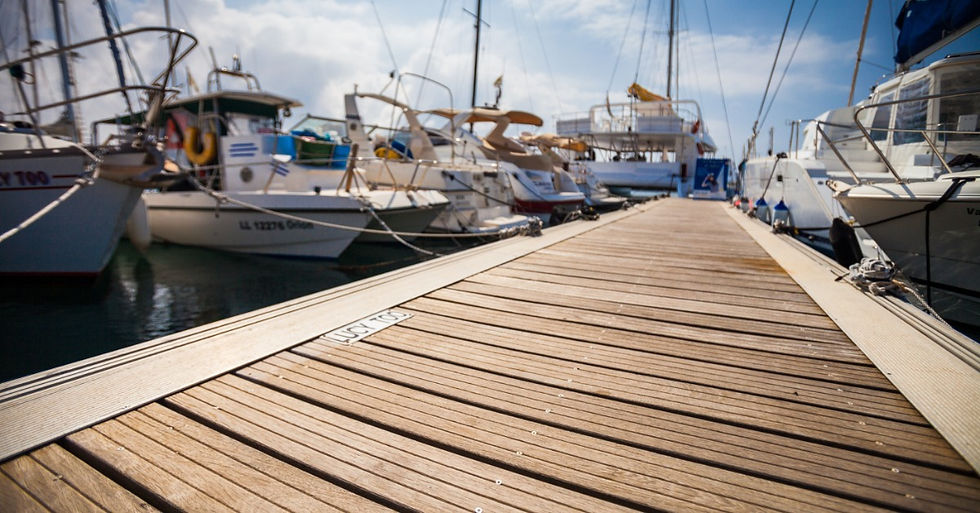
Surface design influences traction, particularly in areas exposed to spray and foot traffic. Choosing a material with a grip can improve safety without sacrificing durability, especially during peak boating season when docks experience heavier use.
Aluminum vs Composite Decking
Aluminum decking provides a rigid surface that resists moisture-related deterioration, which makes it a practical option for properties exposed to frequent water contact. Composite decking offers a different feel while reducing some of the upkeep associated with traditional materials.
Dock owners should choose between these options based on how they plan to use the dock and how much seasonal maintenance they will manage. Both materials can perform well when matched to the right environment.
Pilings, Legs, and Anchoring Systems
Support systems beneath the dock determine how the structure interacts with the lakebed. Fixed docks rely on legs or pilings that create a stable platform anchored to the bottom, which works well in areas where water levels remain relatively consistent. Floating docks rely on anchoring systems that allow the structure to rise and fall under changing conditions.
Each approach requires careful placement to maintain balance across the dock. Improper support alignment can lead to uneven surfaces or excessive movement, both of which affect long-term performance.
Connection Hardware and Stability Features
Connection hardware allows dock sections to move slightly without compromising structural integrity. Hinges, brackets, and reinforced fasteners absorb stress created by wave activity and foot traffic, which prevents rigid sections from shifting out of alignment.
Stability features often include cross-bracing or reinforced joints that limit unwanted movement. Hidden below the surface, these elements determine how the dock performs as conditions change.
Gangways and Shore Access Sections
The transition between land and water requires a connection that adjusts to shifting water levels while maintaining a consistent walking surface. Gangways provide that transition, allowing movement without placing stress on the dock itself.

Shoreline conditions determine how technicians design these access points. Properties with gradual slopes often require longer gangways, while steeper shorelines allow for more compact connections that still maintain usability.
Floating and Fixed Entry Systems
Floating entry systems move with the dock, which allows them to adapt to changing water levels without requiring constant adjustment. Fixed entry systems create a more stable transition, though they depend on relatively consistent water depth to remain functional.
Dock owners should choose the right entry system based on shoreline conditions and how frequently they plan to access the dock.
Boat Lift Integration With Dock Layouts
Many dock systems incorporate lift structures as part of the layout. Proper placement affects how easily a boat can enter and exit while maintaining clearance around the dock. Poor lift placement can disrupt traffic flow and create congestion that reduces usability.
Coordinating lift placement with dock sections creates a more efficient layout. This allows both foot traffic and watercraft movement to function without interfering with one another.
Seasonal Wear on Dock Components
Exposure to water, weather, and repeated use creates gradual wear across dock components. Connections may loosen, surfaces may show signs of deterioration, and support sections may shift slightly as conditions change. These changes rarely occur all at once, though they become more noticeable.
Monitoring wear throughout the season provides an opportunity to address minor issues before they affect the entire structure. Consistent observation maintains performance without requiring extensive repairs.
Signs That Parts Need Repair or Replacement
Certain indicators suggest that dock components require attention. Movement between sections, visible corrosion on hardware, and uneven walking surfaces often point to underlying structural concerns. These issues may develop gradually, though they can affect safety if left unaddressed.
Identifying these signs early allows property owners to replace individual components. Targeted repairs are more manageable and preserve the structure.
Expanding and Modifying Dock Layouts
Many dock systems evolve as waterfront needs change, so modular designs allow property owners to expand their layout without replacing the entire structure. Property owners can add new dock sections to support additional watercraft, seating areas, or storage based on how they use the property.
Planning for expansion early can simplify future modifications. When the initial layout accounts for potential changes, new sections can integrate more smoothly without disrupting the existing structure.
Building a More Functional Waterfront Layout
Understanding how dock components work together makes it easier to create a layout that supports daily use. Each section contributes to how the dock performs, from structural stability to ease of access.
For property owners working through a beginner’s guide to the parts of a boat dock, evaluating structure, materials, and layout provides a clearer path forward. On Pointe Contracting works with waterfront properties across Michigan to assess dock systems, identify areas for improvement, and support long-term planning. Whether upgrading an existing dock or building a new Shorestation boat lift for sale, a well-informed approach creates a more functional waterfront that adapts to changing conditions.